
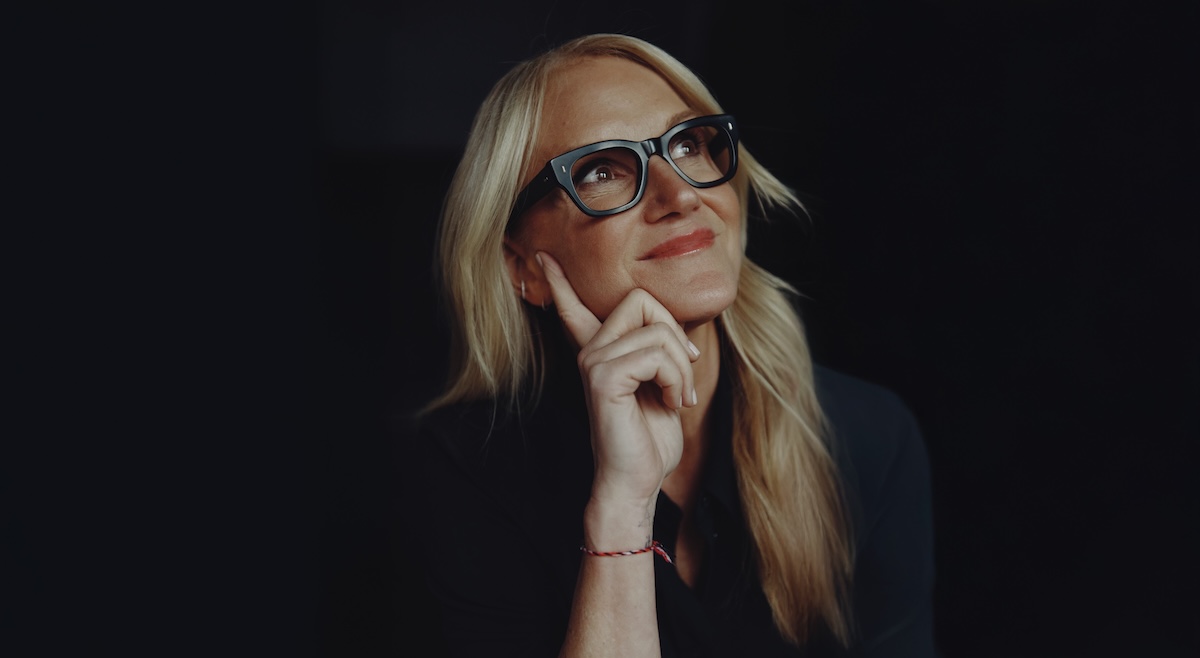
So, all is not well in the universe of Mel Robbins, it seems.
Self-help gurus have to walk an unusually fragile line. Their business is built on packaging wisdom that humanity has already known for centuries: sleep well, eat moderately, regulate your emotions, move your body, avoid negativity, meditate, breathe, forgive, let go. Stoicism said it. Buddhism said it. Every grandmother said it. The challenge has never really been discovering these truths; it has always been living them.
That is perhaps the paradox of the modern self-help industry. You can listen to ten hours of podcasts about discipline while lying motionless in bed. Consumption begins to masquerade as transformation. Still, these podcasts are not entirely without value. Many of them introduce audiences to psychologists, doctors, neuroscientists, researchers, and thinkers they might never otherwise encounter. At the very least, they keep important conversations alive.
But among the many wellness and self-improvement personalities dominating the internet today, Mel Robbins has always felt particularly difficult to trust for some people. Not necessarily because her advice is harmful, but because there is something strangely over-manufactured about it all, an almost corporate polish around ideas that are, at their core, painfully simple.
Take her wildly successful “Let Them Theory,” for example.
The premise is straightforward: if people disappoint you, reject you, misunderstand you, or behave badly, let them. Stop trying to control other people’s actions and focus instead on your own response. It is an idea rooted in philosophies far older than Instagram reels, from Stoicism to Buddhist detachment. Critics have pointed out that the phrase itself is hardly revolutionary. As Vox culture writer, Kyndall Cunningham noted, Mel Robbins’ “Let Them” philosophy essentially asks people to “release what you can’t control.”
The controversy emerged when online writers and creators began accusing Robbins of building an empire around a concept allegedly inspired by a viral poem called Let Them by writer Cassie Phillips. Discussions around the similarities spread widely across Reddit and podcast communities. Phillips herself has publicly suggested that Robbins popularized a phrase and emotional framework that already existed in her work.
Robbins has denied plagiarizing the concept. In an interview with The Guardian, she argued that a short poem and a full-length self-help book are fundamentally different works, noting that her book contains extensive references and research. Meanwhile, critics counter that the issue is less about legal plagiarism and more about attribution, influence, and commercialization.
And perhaps that is where the discomfort around the self-help industry truly lies.
The industry often monetizes emotional clarity by presenting ancient or collective wisdom as a breakthrough discovery. A simple phrase becomes a trademark-worthy slogan. A coping mechanism becomes a bestselling book. A universal truth becomes intellectual property.
Then comes the machine behind it all: the advertisements, the sponsorships, the endless stream of products seamlessly woven into the “healing journey.”
One LinkedIn analysis of The Mel Robbins Podcast noted that episodes often begin with nearly six minutes of advertisements and can contain around fifteen minutes of ad placements overall. Listeners on Reddit regularly complain about the length and frequency of the ads, with some saying they immediately skip forward the moment the sponsor segments begin.
Of course, podcasts need sponsors. Free content is rarely free. But something is jarring about listening to emotionally intimate conversations about anxiety, loneliness, burnout, trauma, and self-worth only to suddenly transition into highly polished pitches for productivity apps, supplements, financial tools, AI assistants, wellness products, or subscription services.
The line between guidance and marketing becomes blurry very quickly.
That is the uncomfortable reality of the creator economy. Authenticity itself has become monetizable. The more a host feels like your trusted friend, the easier it becomes to sell through that trust.
Critics of the self-help industry argue that this ecosystem quietly depends on keeping audiences in a perpetual cycle of self-improvement, always searching for the next breakthrough, habit, framework, or mindset shift.
And recently, the criticism intensified when Robbins faced backlash online for encouraging followers to upload sensitive financial documents into Microsoft Copilot prompts as part of an AI partnership campaign. Cybersecurity experts and social media users warned that sharing bank statements, debts, bills, and income details with AI systems carries serious privacy risks.
That episode perhaps captures the central anxiety surrounding modern self-help influencers. They are no longer just motivational speakers. They are media companies, brand ecosystems, advertising platforms, and commercial personalities rolled into one. Their podcasts are simultaneously therapy-adjacent conversations, lifestyle brands, and marketing funnels. The problem is not that these influencers make money. It is that emotional vulnerability itself increasingly feels like a marketplace.
None of this automatically makes the advice worthless. Sometimes a simple sentence genuinely helps someone survive a difficult season. Sometimes hearing “let them” at the right moment may genuinely free a person from exhausting emotional control battles.
Well, I listen to podcasts. They can be informative, but maybe audiences should approach self-help celebrities with a little more caution and a little less devotion. Because wisdom is one thing. Turning wisdom into an endlessly monetized consumer ecosystem is another entirely.
Or perhaps, as the theory itself would suggest, we should simply let them.
image via https://www.melrobbins.com/about-mel/

