
Once in a while, there is a TV series about a particular country or culture that creates a lot of buzz online, becoming an overnight success—hugely dividing people’s opinions. Indian Matchmaking, the July 2020 release on Netflix created by Smriti Mundra was one such example.
Indians in the country and those based out abroad spoke frantically about the show. While it was considered largely entertaining, the show also received criticism for propagating misogynism— which is perhaps synonymous with the Indian arranged marriage system.

How much reality is REALLY REAL?
Post the show’s grand success, there were reviews and memes galore! The participants were being judged left, right, and center by the audience. Funnily, despite knowing that reality TV shows are oftentimes aimed at a certain narrative, audiences had personal favorites and a strong dislike for certain participants and their family members (for example, a lot of people disliked Akshay’s mum in the show. Yes; that rich businessman’s wife who had humongous expectations for her bahu-to-be. The woman whose blood pressure rose with the stress of her younger son’s unmarried status).
Some of the contestants of the show were super unhappy about their negative portrayal in the show—blaming the makers for editing their footage in a way that didn’t show the whole truth.
Whatever do you mean by “Ours was a love marriage”
Even non-Indians were amused at the show. And I sort of get that. A lot of my colleagues and friends are of different nationalities, and to them, Indian arranged marriages and the whole concept of traditional Indian matchmaking that involves coordinating family statuses and values, astrological charts, face-reading, caste, and community can be amusing.
For instance, when I say “ours was a love marriage” to a non-Indian, their confusion is evident. Little do they know the struggles hidden behind arranging an inter-caste, love marriage in India.
Whatever was said and done, the show became a huge success, and Sima Taparia, the high-profile matchmaker from Mumbai became a household name.
But there is nothing new about matchmaking in India

When I first watched the show’s trailer, my immediate reaction was: but how can matchmaking be entertaining? Haven’t Indians from all quarters already witnessed so much of it in their homes, extended families, and close neighborhoods? For the same reason, I chose not to watch it initially.
But then, the show was doing well globally; eventually, its popularity made me very curious. When a close friend strongly recommended it, I watched all episodes from season 1 at one go on a holiday.
In a day, my objective opinions were out of the window, and like everyone else, I also developed strong sentiments about the show’s participants.
Akshay’s mom is annoying. Can anyone be okay with Aparna’s hard-set ways? Nadia’s naïve behavior can get on my nerves. Didn’t simple Vyasar, the teacher from Austin, deserve better?
The show was engrossing and entertaining on a different level. However, this was not the matchmaking or rishta-setting I knew anything about. And yes, I am Indian. This stuff was actually pretty high-profile—in fact, quite contrary to and much more modern and complex than the usual rishta business conducted in regular middle-class Indian households. And there should be no surprise there because Indian Matchmaking only showcases upper middle-class/rich Indians and Indian-Americans. Maybe that’s what matchmaking becomes when the matches are affluent.
Sima Taparia from Mumbai

After I finished watching the show, I was quite curious about its main woman, Sima Taparia—so much so that I ended up watching another documentary film on Netflix featuring her: A Suitable Girl (2017), co-directed by Smriti Mundra. I was much more moved by this one—I remember crying sorely at the end of it, thinking about the dynamic of different rules for different sexes in the country and the unfairness commonly meted out to women in our society.
Had I not watched this film, I would have continued thinking of Taparia only as another rich matchmaker. The film showed the bright and flashy cupid from Indian Matchmaking as a very basic Indian mother looking to get her elder daughter married to a suitable match. It also featured her as a self-made, hard-working professional building her marriage consultancy business with resolve.
Did I Will Sima Taparia into my life?
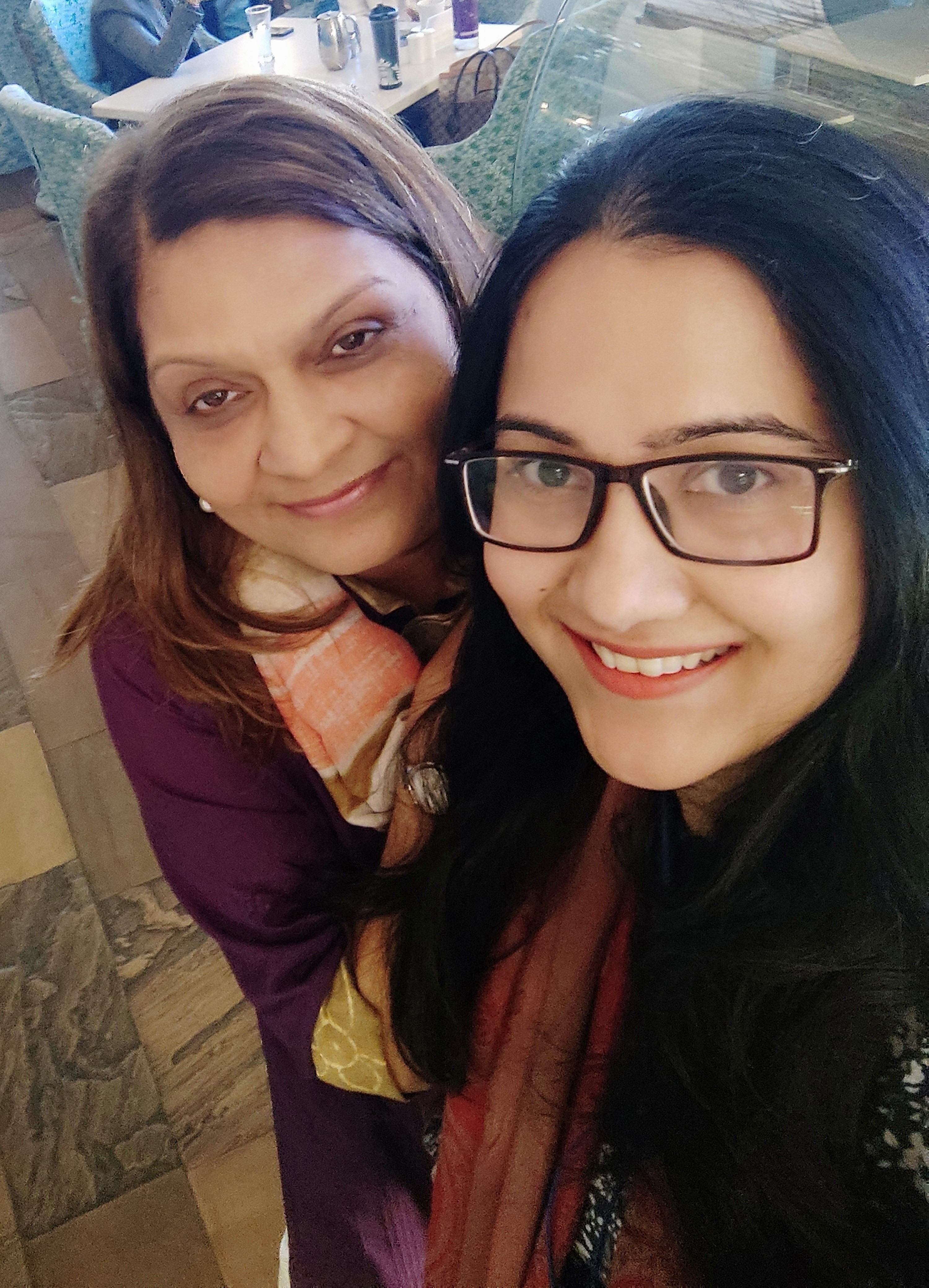
I thought about A Suitable Girl and Sima Taparia for a few days, simultaneously binging on stories about Indian Matchmaking’s participants, and then forgot everything about them. That is, until one pleasant January afternoon in 2021 when I stood near the ordering counter at my favorite café in Jaipur, chatting away with the waiters. I found Sima Taparia (AKA Sima aunty) standing right next to me at the counter. She was with her husband, whom I remembered as her supportive partner from the show (in the show, he offered her chai when she was all harried with work. I liked the gesture because I do get harried and I like chai—preferably when someone else makes it for me).
Sima from Mumbai recognized that I recognized them and she didn’t wait for me to smile at her or say hello. She initiated the conversation and asked me how I was doing. She was every bit warm and friendly. I told her about my admiration and curiosity for her and she was kind enough to speak with me for a few minutes after she finished her meal.
Marriages shouldn’t be breaking like biscuits

My questions to her were simple—her responses were pretty much straightforward and basic. There was nothing about her that was unlike her personality on the show. It made me even more curious.
So, you mean the reality show was real? And this woman is actually every bit as free-spirited as she appeared to be on the show? Yes! It looked like that.
I was interested to know how she would react to the patriarchy and misogyny-related censure of the show. She was not offended by the criticism in any way, she said and explained how our society is quite complex for such simplistic inferences.
I asked her why some of the women on the show (like Aparna) found her attitude unfair towards them— expecting them to adjust and compromise in their matchmaking journeys while having separate (and better) standards for men. Sima Taparia replied: “I expect both boys and girls to adjust. My marriage wouldn’t last so many years if both of us weren’t adjusting according to circumstances and each other’s needs and expectations. I have taught both of my girls this simple maxim and would have taught the same to my son if I had one.”
We shared a laugh at the “marriages are breaking like biscuits” memes that were breaking the internet at that point. She said she could never expect some of her simply said things on the show to be so hilarious to people.
I liked that she didn’t mince her words. The world may be curious about her—even confused to some extent, but she looked to me like a person absolutely clear and confident. Even though all of the people at the café stared at us when we spoke, Sima Taparia remained calm and composed—never once forgetting to smile at any person smiling at her. She knew she was popular and seemed to completely own the perks and challenges that came along.
Before she left, she asked me what I did, who all were there in my family, and if I could relate with any of the women on the show. When I nodded in a “no,” she laughed.
 Ambika Singh,PhD